
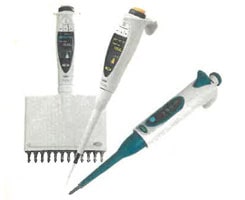
Pipettes are among the most frequently used precision instruments in laboratory environments, and their condition directly affects accuracy, repeatability, and regulatory compliance. Understanding the typical lifespan of mechanical vs. electronic pipettes helps labs plan budgets, reduce downtime, and maintain reliable results.
Both styles can last for years, but their longevity depends heavily on usage, environment, and—most importantly—routine calibration and preventive maintenance.
How Long Does a Mechanical Pipette Typically Last?
Mechanical air-displacement pipettes are known for durability and simplicity.
Average lifespan:
5–10+ years
Lifespan-extending practices:
-
Proper vertical storage
-
Routine seal and piston cleaning
-
Compatible tip use
-
Annual or semi-annual calibration
-
Low-to-moderate daily use
Signs it may need service:
-
Dripping or leaking tips
-
Inconsistent delivery
-
Cracked or worn seals
-
Difficulty adjusting volume
👉 Learn more about pipette calibration and service standards here:
-
Lab People: https://labpeople.com/pipette-calibration/
-
The Scale People: https://scalepeople.com/pipette-calibration-services/
How Long Does an Electronic Pipette Typically Last?
Electronic pipettes offer ergonomic advantages and programmable functionality but contain components that degrade over time.
Average lifespan:
3–7 years
Factors influencing lifespan:
-
Battery charging habits
-
Motor wear
-
Environmental humidity
-
Usage frequency
-
Calibration routines
Signs of end-of-life:
-
Display malfunctions
-
Weak or inconsistent battery performance
-
Slower aspiration cycles
-
Error messages during multi-dispense modes
👉 Learn about preventive maintenance benefits here:
Eppendorf Maintenance Guidelines
https://www.eppendorf.com/product-media/doc/en/971706/Consumables_Datasheet_Eppendorf-Maintenance-Tips.pdf
Why Calibration Frequency Impacts Lifespan
Regular calibration helps:
-
Detect wear early
-
Maintain accuracy thresholds
-
Support ISO, GLP, CLIA, and FDA compliance
-
Reduce equipment downtime
-
Extend total serviceable years
External reference:
ISO 8655 Pipetting Standards
https://www.iso.org/standard/69540.html
Typical calibration schedules:
-
High use: every 3 months
-
Moderate use: every 6 months
-
Low use: annually
When Should a Pipette Be Replaced Instead of Repaired?
Replacement is typically recommended when:
-
Repair costs exceed replacement value
-
Parts are discontinued or unavailable
-
Accuracy cannot be restored within tolerance
-
Drift occurs between calibration cycles
-
Regulatory requirements demand tighter tolerances
Mechanical vs. Electronic Pipettes: Quick Comparison
| Feature | Mechanical Pipette | Electronic Pipette |
|---|---|---|
| Typical Lifespan | 5–10+ years | 3–7 years |
| Maintenance Cost | Lower | Higher |
| Ergonomics | Moderate | Excellent |
| Best For | General routine use | High-repetition workflows |
| Common Failure Point | Seals | Battery / circuitry |
How We Support Your Pipette Lifespan
Lab People
-
ISO 17025 accredited pipette calibration
-
On-site and mail-in service
-
Compliance documentation
-
Repair and replacement guidance
The Scale People
-
Full precision instrumentation support
-
Calibration and validation programs
-
Asset lifecycle guidance
Call to Action
Contact us now to schedule your pipette calibrationpipette maintenance and ensure accuracy, compliance, and reliable performance in your lab.