
People rely on elevators daily in commercial buildings, hospitals, residential complexes, and industrial facilities. Behind the scenes, proper calibration and testing are essential to ensure these systems operate safely and perform as expected.
One of the key tools used in elevator testing and calibration is a dynamometer. While not always visible to building operators, dynamometers play an important role in verifying load performance, system response, and overall safety.
Understanding how dynamometers are used in elevator calibration helps highlight their importance in maintaining reliable and compliant elevator systems.
What Is a Dynamometer?
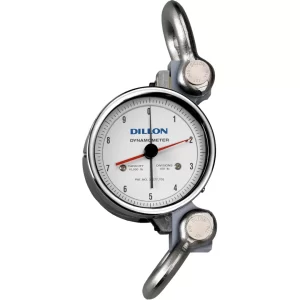
A dynamometer measures force, load, or tension. In elevator applications, it is typically used to measure the force exerted by cables, motors, or braking systems under load.
Dynamometers can be used to:
• measure tension in elevator cables
• verify load conditions during testing
• assess system performance under stress
• support calibration of load-related components
These measurements are critical for ensuring that elevator systems are operating within their designed limits.
Why Accurate Load Measurement Matters
Elevators are designed to carry specific load capacities. If those loads are not accurately measured and verified, it can lead to safety risks or system inefficiencies.
Accurate load measurement helps ensure:
• elevators operate within safe load limits
• braking systems respond correctly
• cables maintain proper tension
• motors perform as expected under load
Without reliable measurement tools, it becomes difficult to confirm that an elevator system is functioning correctly.
The Role of Dynamometers in Elevator Calibration

During elevator calibration and testing, Technicians use dynamometers to verify that the system responds correctly.
This may include:
• testing system performance at rated capacity
• verifying cable tension balance
• checking braking force under load
• confirming proper system response during operation
By providing precise force measurements, dynamometers help technicians ensure that elevator systems meet required performance standards.
Supporting Safety and Compliance
Elevator systems are subject to strict safety standards and inspection requirements.
Accurate measurement tools, including dynamometers, support:
• compliance with safety regulations
• verification during inspections
• documentation of system performance
• identification of potential issues before failure
Reliable calibration and testing processes help reduce risk and improve overall system safety.
Calibration of the Dynamometer Itself
Like any measurement device, a dynamometer must be properly calibrated to provide accurate readings.
If a dynamometer is out of calibration:
• load measurements may be inaccurate
• system performance may be misinterpreted
• safety risks may go undetected
Routine calibration ensures that the dynamometer is providing reliable data during elevator testing and calibration procedures.
Why Calibration Matters Across the System
Elevator calibration depends on a chain of accurate measurements. If one component in that chain is inaccurate, it can affect the entire system.
Ensuring that all measurement devices—including dynamometers—are properly calibrated helps:
• maintain confidence in testing results
• support safe system operation
• ensure compliance with inspection requirements
Accurate tools lead to accurate decisions.
Need Calibration for Force or Load Measurement Equipment?
Measurement equipment used in industrial applications must perform reliably under real-world conditions.
The technicians at The Scale People provide professional calibration services for a wide range of weighing and force measurement equipment, helping ensure accuracy, reliability, and compliance.
If your operation relies on precise force or load measurements, contact us today to learn how we can support your calibration needs.
Bringing It All Together
Dynamometers play a critical role in elevator calibration by providing accurate force and load measurements during testing. These measurements help verify system performance, support safety standards, and ensure elevators operate within their intended limits.
At the same time, the accuracy of those measurements depends on proper calibration of the equipment being used. By maintaining calibrated measurement tools, facilities can ensure reliable testing and safe elevator operation.